Deputy Mayor invites residents to online meeting: City’s Biodiversity Spatial Plan currently open for public comment
17 February 2025
The City of Cape Town’s Deputy Mayor and Mayoral Committee Member for Spatial Planning and Environment, Alderman Eddie Andrews, is inviting residents to an online meeting on Thursday, 20 February from 17:00 to 18:30 where officials from the City’s Biodiversity Management branch will explain the importance of the critical draft policy. The closing date for comments is 13 March 2025. The plan provides detail on the profile of Cape Town’s biodiversity, the BioNet map, and the associated land use guidelines for these areas.
Residents can access the online meeting details and a link to the RSVP form via the following link: Comment on the draft Cape Town Biodiversity Spatial Plan, 2025
Cape Town was the first municipality in South Africa to develop and implement a spatial biodiversity plan, which is fitting since this beautiful city claims the title of the most biodiverse city in the world. The City, in partnership with various conservation organisations, can confirm that currently, conserved land in Cape Town covers 55 703 ha, which is 22,72% of the municipal area. The City manages a total of 20 045 hectares in its 22 nature reserves and 16 Biodiversity Agreement Conservation Areas in this conservation estate, the majority of which are open to the public.
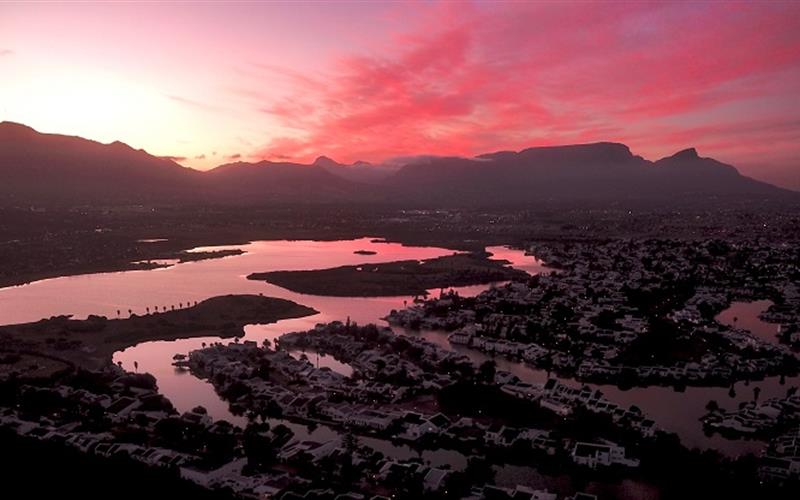
The City of Cape Town now invites residents to provide input on the updated policy, which will continue to guide sustainable forward planning in this ever-growing city.
Cape Town’s conservation estate comprises Table Mountain National Park, nature reserves and conservation areas, as well as some private biodiversity stewardship sites.
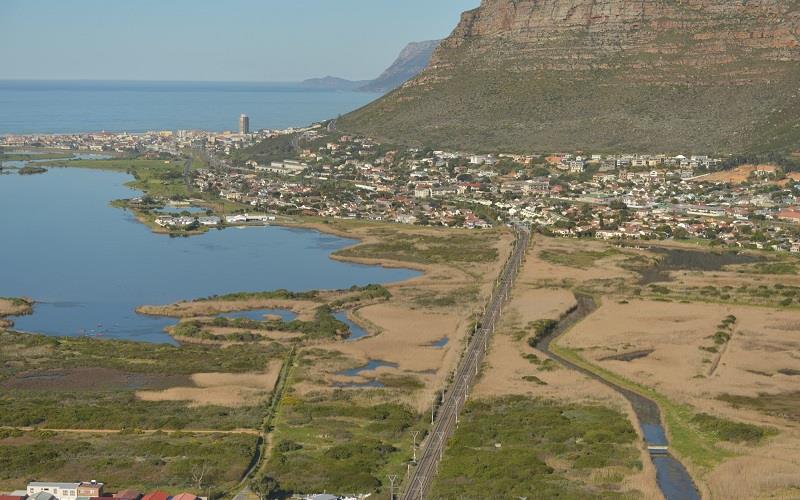
Cape Town’s conservation estate
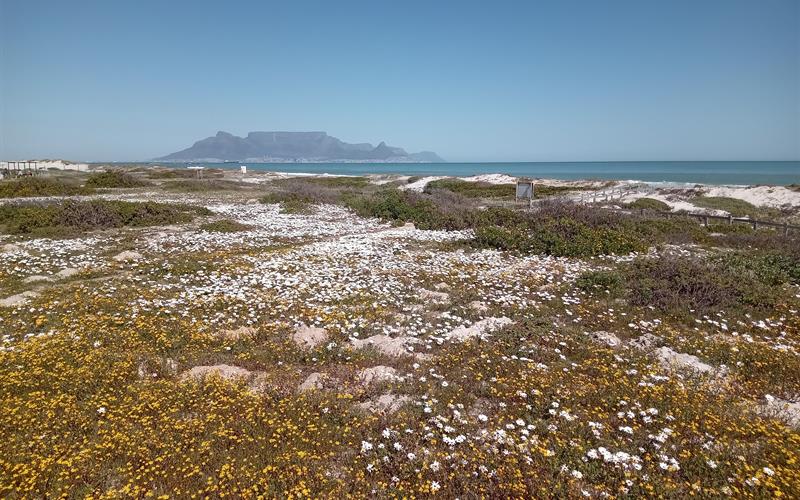
Cape Town’s conservation estate
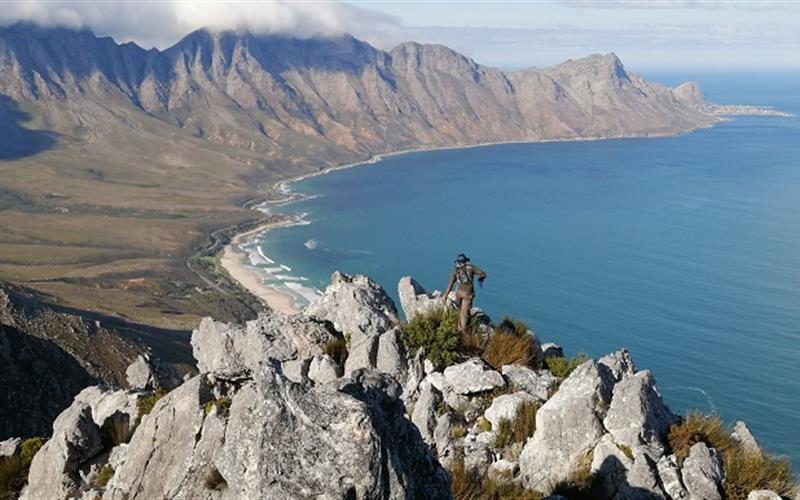
Cape Town’s conservation estate
Cape Town’s conservation estate
‘I ask that all interested residents please join us on the call on Thursday, 20 February 2025, where we will explain the importance of this Biodiversity Spatial Plan, which covers the entire city. The plan has been updated over the years to include the revised red list of threatened ecosystems within Cape Town, it has been adapted to the sobering climate change realities we face; furthermore, strategic water source areas and groundwater protection zones were added to this critical plan to promote water security. The draft policy currently incorporates the latest best practice national principles and methods for spatial biodiversity planning,’ said the City’s Deputy Mayor and Mayoral Committee Member for Spatial Planning and Environment, Alderman Eddie Andrews.
There are a range of sectors whose policies and decisions affect Cape Town’s biodiversity. The City urges the public to take note of the updated Biodiversity Spatial Plan and provide their valuable input as it will inform and guide spatial planning, environmental assessments and natural resource management across the city.
‘Our intention is to reduce conflict between the environmental and other sectors with the provision of up-to-date information on biodiversity priorities that will guide forward planning, protected area expansion and sustainable development in Cape Town – the most biodiverse city in the world,’ said Alderman Andrews.
The Cape Town BioNet map illustrates the biodiversity network and selects terrestrial and aquatic features that are critical for conserving native biodiversity and maintaining ecosystem function at the landscape level.
‘Legislation, scientific data, best practice, and expert input form the foundation of the BioNet map as it illustrates the least land-hungry option possible to meet national biodiversity targets and the best option to keep Cape Town sustainable’, said Alderman Andrews.
The Cape Town BioNet consists of the following various categories which depict the condition of the biodiversity areas and are highlighted on the map:
• Protected Area
• Conservation Area
• Critical Biodiversity Area 1a (irreplaceable high and medium condition)
• Critical Biodiversity Area 1b (irreplaceable low condition, connectivity)
• Critical Biodiversity Area 1c (irreplaceable low condition)
• Critical Biodiversity Area 2 (optimal)
• Ecological Support Area 1 (natural or semi-natural ecological condition)
• Ecological Support Area 2 (intensively modified ecological condition)
• Other Natural Area (not required to meet biodiversity targets)
Residents can access this critical information at City libraries and via the City’s website.
Comments can be submitted as follows, before 13 March 2025:
• Submit your comments online at: Comment on the draft Cape Town Biodiversity Spatial Plan, 2025
• Email to public.participation@capetown.gov.za
• Call 0800 212 176 for the Public Participation Unit to assist if you are unable to read or write
End
Published by:
City of Cape Town, Media Office